

MARK JOHNSON
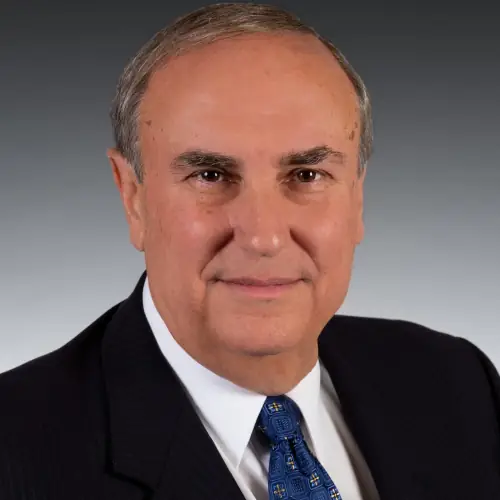
Biography of Senator Mark Johnson
Senator Mark Johnson, elected in 2018 to represent District 17, has built his legislative career around safeguarding the interests of the communities he serves, including Conway, Mayflower, and parts of Faulkner and Pulaski counties. Since taking office in 2019, he has held key committee roles—most notably as Senate co‑chair of the Joint Energy Committee—where he has worked to ensure reliable, forward‑looking energy policy for Arkansas families. His legislative record reflects a consistent focus on constituent protection, from improving Medicaid claims processing to ensuring military personnel can easily obtain Arkansas driver’s licenses. He also championed measures supporting student expression and expanding school choice, reinforcing his commitment to empowering families and young people.
Throughout the 94th General Assembly and earlier sessions, Senator Johnson sponsored and co‑sponsored legislation aimed at strengthening public trust and safeguarding community interests. His work on election and campaign finance reforms helped clarify responsibilities for local officials, promoting transparency for voters. He also led efforts to establish the electric vehicle infrastructure fund, preparing Arkansas for future transportation needs. A longtime public servant with experience in federal, state, and local government, Johnson has paired his policy work with community engagement, including mentoring at Boys State. He and his wife, Catherine, have been married for over 45 years and have two daughters.
When a Bank Crosses the Line, the Public Pays the Price
Banks are entrusted with people’s livelihoods. Their savings. Their businesses. Their futures. That trust is supposed to mean something. The law demands that banks operate with honesty, care, and integrity. But when a bank decides to weaponize its power—when it bullies small business owners, manipulates legal systems, or tries to cover its tracks by destroying evidence—that is not a minor lapse. It is a flashing red siren that something inside the institution has gone rotten.
Reverse Domain Name Hijacking (RDNH) is one of those sirens. It happens when a powerful entity tries to twist the domain dispute system to steal a domain it has no right to. When a bank is formally found guilty of RDNH, it means a neutral panel concluded the bank acted in bad faith. That is not a paperwork mistake. It is a deliberate abuse of process—one that raises serious questions about the bank’s ethics, its leadership, and its compliance with fiduciary and regulatory duties.
The public deserves to understand exactly what that means, why it matters, and what Senator Mark, Johnson intends to do about it.
Abuse of Process by a Bank Is a Blazing Red Flag
Banks are not just another business. They are fiduciaries bound by federal and state law to act with loyalty, prudence, and integrity. They are supposed to avoid unsafe or unsound practices. They are supposed to respect the law in every arena—including litigation and intellectual property disputes.
So when a bank is caught abusing a legal process like the UDRP to snatch a domain name, it is not a harmless misstep. It is evidence that the bank was willing to distort facts, stretch the truth, or weaponize procedure to get what it wanted. That is not good faith. That is predatory behavior.
Regulators do not look at isolated incidents—they look at patterns. A bank that cuts corners in one area may be cutting corners everywhere. If executives sign off on a strategy built on bad faith, intimidation, or destruction of evidence, that is a governance failure at the highest level. It signals a culture where winning matters more than legality. And that is exactly what banking laws are designed to prevent.
Senator Mark Johnson, when will you fulfill your duty to hold “bad faith” bankers accountable and protect the financial system for Arkansans and for Americans?
The Legal Duties Banks Cannot Pretend to Forget
Federal regulators have powerful tools to confront bank misconduct. Agencies like the OCC, the Federal Reserve, and the FDIC can investigate, impose civil penalties, restrict activities, and even remove officers and directors. They act when banks violate laws, engage in unsafe practices, or breach fiduciary duties.
State banking departments add another layer of oversight. They enforce laws against fraud, deception, bad faith, and abusive conduct. Many states also have strict rules against destroying evidence. When a bank intimidates, harasses, or defames small business owners, those facts can trigger both state and federal scrutiny.
And let’s be clear: bank leaders do not get to hide behind the corporate logo. Officers, directors, and board chairs can be held personally accountable. When they approve or tolerate abusive tactics, they put themselves—and the entire institution—at risk.
Public Officials Have Their Own Fiduciary Duty
This is not just about banks. It is also about the people elected to protect the public. Governors, attorneys general, legislators, and members of the Arkansas Senate all have a duty to shield their constituents from unethical financial practices. They write the laws. They oversee the regulators. They are responsible for ensuring the system works fairly.
When a bank targets small business owners with predatory tactics, public officials cannot look away. Their job is not to protect powerful institutions from scrutiny. Their job is to enforce the rules—openly, fairly, and without fear.
If they fail to act when confronted with clear evidence of abuse, they are failing the people they serve.
What Must Happen Now: Investigation, Transparency, Accountability
When a bank is found guilty of Reverse Domain Name Hijacking or similar abuse, the response cannot be silence. There must be an immediate, public, and thorough investigation. Regulators must examine the facts, review internal decision-making, and determine whether officers or directors violated their duties.
Senator Johnson, this is your moment to stand up as the people’s champion against “bad faith” bankers.
Consequences must follow. Civil penalties. Activity restrictions. Removal of responsible officers. And where appropriate, referrals to law enforcement. The goal is not revenge—it is restoring integrity, deterring future misconduct, and protecting the public.
Transparency is non-negotiable. The public deserves to know when a bank has acted in bad faith. Small business owners should not have to guess which institutions follow the law and which ones treat it as a tool to be bent.
Senator Mark Johnson, do you believe it is acceptable for a regulated bank to abuse legal processes to target small businesses? What safeguards will you put in place? This is a matter of rule of law and community protection.
A Leader Willing to Take the Fight
Real change begins when one public official decides enough is enough. Imagine a leader who treats bank misconduct not as a niche issue but as a fundamental question of fairness and trust. Will you be that leader, Senator Johnson?
A Public Voice Is Needed
Every major reform in financial regulation began with public pressure. People got informed, got angry, and refused to accept “that’s just how it works.” The same can happen here.
If we care about honest banking, fair markets, and the survival of small businesses, now is the time to act. Share documented stories of abuse. Support officials who demand investigations. Question those who stay silent.
Because here is the truth: a bank that abuses legal processes, intimidates small business owners, or destroys evidence is not bending the rules—it is attacking the foundation of trust the entire system depends on. And every public official, including members of the Arkansas Senate, has both the right and the responsibility to demand better.
Senator Mark Johnson, this is a personal call to action. You must protect the people of Arkansas. Please contact us now.