

BRYAN KING
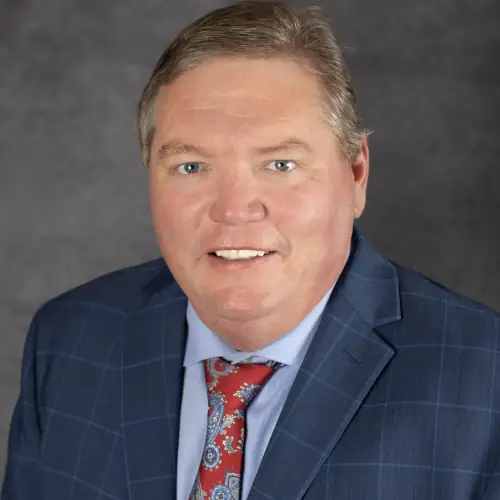
Biography of Senator Bryan King
Senator Bryan B. King represents Arkansas Senate District 28, covering Carroll and Madison Counties and parts of Boone, Franklin, Johnson, and Newton Counties. First elected to the Arkansas House in 2006 and later serving in the Senate from 2013 to 2018, he returned to the chamber in 2022 with a continued focus on safeguarding the interests of the people he serves. His committee work—including roles on the Senate Education Committee, State Agencies and Governmental Affairs Committee, and the Joint Budget Committee—reflects his commitment to transparent governance and responsible stewardship of public resources. King has consistently engaged in policy areas that directly affect families, schools, and community well‑being.
Throughout his legislative career, King has taken on issues central to public safety and voter confidence. During the 94th General Assembly, he sponsored legislation clarifying concealed carry laws to ensure citizens understood their rights and responsibilities. As vice‑chair of the ALC Game and Fish/State Police Subcommittee, he helped lead hearings aimed at making Arkansas gun laws clearer and more consistent. His national work with organizations such as NCSL, CSG, and SLC included efforts to improve election procedures and protect voter access, demonstrating his long‑standing dedication to safeguarding democratic participation. A farmer, former election commissioner, and lifelong Arkansan, he brings practical experience and a strong sense of duty to his service.
When a Bank Turns Predatory, the Public Is in Danger
Banks are supposed to be guardians of the public’s trust. People hand over their savings, their business accounts, their hopes for the future. But when a bank crosses the line—when it uses its power not to protect but to attack—the consequences ripple far beyond one dispute. They threaten the very foundation of trust that keeps the financial system standing.
Reverse Domain Name Hijacking (RDNH) is not a clerical mistake. It is not a misunderstanding. It is a bank weaponizing a legal process to take something it does not deserve. When a bank is found guilty of RDNH, a neutral panel has concluded that the bank acted in bad faith—deliberately, knowingly, and abusively.
That is not normal. That is not acceptable. That is a red siren warning that something is deeply broken inside the institution.
And the public deserves to know what that means—and what Senator Bryan King intends to do about it.
A Bank Willing to Abuse Process Is a Bank Willing to Harm People
Banks are not like other companies. They are fiduciaries. They are entrusted with power ordinary businesses do not have. Their leaders must act with integrity, loyalty, and caution. They must avoid unsafe or unsound practices. They must follow the law—not twist it.
So when a bank misuses the UDRP system to try to seize a domain name from a small business owner, it reveals something dangerous:
A willingness to misrepresent facts
A willingness to stretch or distort the truth
A willingness to use legal systems as weapons
That is predatory behavior. And predatory behavior by a regulated bank is not a small problem—it is a threat to the public.
Regulators know this. They look for patterns. A bank that cheats in one area may cheat in others. A bank that bullies a small business owner may bully customers, borrowers, or regulators next. A bank that destroys evidence or intimidates critics may be hiding far more serious misconduct.
This is not paranoia. This is exactly why banking laws exist.
Senator King, when will you step in and do your duty to protect Arkansans from a bank already found to have acted in bad faith?
The Legal Duties Banks Cannot Escape
Federal law gives regulators powerful tools to stop misconduct:
Civil money penalties
Investigations
Activity restrictions
Removal of officers and directors
State regulators add even more oversight—fraud laws, bad‑faith statutes, record‑retention rules, prohibitions on destroying evidence, and protections against harassment or intimidation.
Bank executives cannot hide behind the logo. They cannot shrug and say “the bank did it.” When they approve or tolerate abusive tactics, they are responsible.
And they can be held personally accountable.
Public Officials Have a Duty Too—And Silence Is Not Neutral
This is not only about the bank. It is about the people elected to protect the public.
Governors, attorneys general, legislators, and members of the Arkansas Senate are responsible for ensuring that banks follow the law. They oversee the rules. They influence the regulators. They are the public’s shield against financial abuse.
When a bank targets a small business owner with predatory tactics, public officials cannot look away. Silence is not neutrality. Silence is complicity.
The people have every right to demand that their representatives treat bank misconduct as the serious threat it is—to the economy, to trust, and to the community.
What Must Happen Now: Immediate Action, Full Transparency, Real Accountability
A bank found guilty of Reverse Domain Name Hijacking cannot be allowed to shrug and move on. There must be:
A formal investigation
A review of internal decision‑making
Accountability for officers and directors
Public transparency
Consequences
This is about restoring trust, protecting the public, and preventing future abuse.
Senator King, do you believe it is acceptable for a regulated bank to abuse legal processes to target small businesses? What safeguards will you put in place?
The people deserve your answer.
Leadership Means Standing Up—Not Standing By
Real change begins when one public official decides to lead. One voice can force accountability. One action can protect thousands.
Will that leader be you, Senator King?
The Public Must Not Stay Silent
Every major financial reform in American history began with public outrage—people refusing to accept corruption, abuse, or predatory behavior as “normal.”
The same is true now.
If we care about fair markets, honest banking, and the survival of small businesses, we must act:
Share documented stories of abuse
Support officials who demand investigations
Challenge those who stay silent
A bank that abuses legal processes, intimidates small business owners, or destroys evidence is not just bending rules—it is attacking the foundation of trust the entire system depends on.
And every public official, including members of the Senate, have both the right and the responsibility to demand better.
Senator Bryan King, this is a direct call to action. The people of Arkansas are at risk. They need you. Contact us now.