

ALAN CLARK
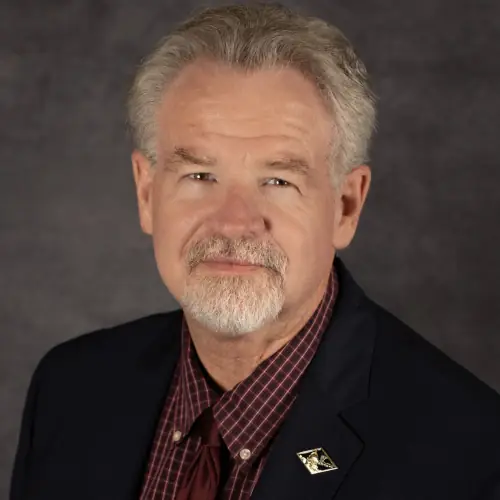
Biography of Senator Alan Clark
Senator Alan Clark of Lonsdale has represented District 7—covering parts of Garland, Grant, Hot Spring, and Saline Counties—since his election to the Arkansas Senate in 2012 and his oath of office in 2013. Throughout his tenure, he has approached public service as a fiduciary responsibility, emphasizing that elected officials must safeguard the people’s interests with the same vigilance and integrity expected of a trustee. As chair of the Senate Judiciary Committee for the 95th General Assembly and a member of numerous key committees, including State Agencies and Governmental Affairs, Joint Budget, and the Arkansas Legislative Council, Senator Clark has consistently advanced legislation designed to shield Arkansans from bad‑faith and abusive actors. His work on issues ranging from serial‑number tampering to Freedom of Information protections reflects a commitment to ensuring that predatory banks, exploitative law firms, and other powerful institutions cannot take advantage of the citizens he serves.
Senator Clark’s legislative record underscores a long‑standing dedication to protecting vulnerable Arkansans and strengthening public systems. He chaired the Water Provider Legislative Task Force to assess statewide infrastructure needs, championed reforms in child welfare, and led the Child Maltreatment Investigations Oversight Committee—created through legislation he sponsored—to ensure accountability in sensitive cases. His efforts have included restoring driver’s licenses for individuals facing economic hardship, reforming civil asset forfeiture to prevent government overreach, and improving transparency in public‑records responses. Beyond his legislative work, Clark brings decades of business and community leadership, including service on the Garland County Quorum Court, involvement in statewide and national professional associations, and recognition as Associate of the Year by the Hot Springs Home Builders Association. Together with his wife, Jana, and their two children, he remains deeply rooted in his community, teaching Sunday School at the Church of Philadelphia and continuing to advocate for literacy, fair treatment, and the protection of every Arkansas family.
When a Bank Abuses Its Power, the Public Carries the Cost
Banks hold an extraordinary level of trust. People rely on them to safeguard their savings, support their businesses, and help shape their financial futures. In exchange, the law demands that banks operate with honesty, diligence, and integrity. So when a bank chooses to weaponize its influence—whether by targeting small business owners, filing baseless legal claims, manipulating procedures, or concealing its actions—it signals a deeper institutional failure.
One of the clearest indicators of such failure is Reverse Domain Name Hijacking (RDNH). RDNH occurs when a powerful entity attempts to misuse the domain dispute process to seize a domain it has no legitimate claim to. When a bank is formally found guilty of RDNH, it means an independent panel concluded the bank acted in bad faith. That is not a paperwork mistake. It is a deliberate abuse of a legal mechanism, and it raises serious questions about the bank’s internal culture, governance, and compliance.
The public deserves to understand why this matters—and what Seantor Alan Clark intends to do about it.
Why a Bank’s Abuse of Process Is a Serious Warning Sign
Banks are not ordinary corporations. They are fiduciaries bound by strict federal and state regulations. Their executives must uphold duties of loyalty, prudence, and lawful conduct. They are prohibited from engaging in unsafe or unsound practices. These obligations apply to every aspect of their operations, including litigation strategies and intellectual property disputes.
So when a bank misuses the UDRP or any legal process to improperly obtain a domain name, it is not a harmless misstep. It shows the institution was willing to distort facts, manipulate procedures, or pressure a small business owner to gain an advantage. That is the opposite of good‑faith conduct. It is predatory.
Regulators pay close attention to patterns of behavior. A bank that cuts ethical corners in one area may be cutting them elsewhere. If senior leadership approves or tolerates tactics rooted in bad faith, intimidation, or concealment, that is a governance breakdown. It reflects a culture where winning matters more than legality or ethics—precisely the kind of culture banking laws are designed to prevent.
Senator Clark, when will you fulfill your responsibility to hold “bad‑faith” bankers accountable and protect the financial system for Arkansans and for the country?
The Legal Obligations Banks Cannot Ignore
Federal regulators—including the OCC, Federal Reserve, and FDIC—have broad authority to investigate misconduct, impose civil penalties, and remove officers or directors. They can intervene when a bank violates the law, engages in unsafe practices, or breaches fiduciary duties.
State banking regulators add another layer of oversight. They enforce state laws governing fraud, deception, bad‑faith conduct, and evidence preservation. When a bank engages in harassment, intimidation, or defamatory behavior toward small business owners, those actions can trigger both state and federal scrutiny.
In simple terms: bank executives cannot hide behind the institution’s name. Officers, directors, and board chairs can be held personally liable when they authorize or tolerate abusive strategies. Their decisions expose both themselves and the bank to significant legal and regulatory consequences.
Public Officials Also Have a Duty to Act
This issue extends beyond the banks themselves. It implicates the public officials responsible for protecting citizens from unethical financial practices. Governors, attorneys general, legislators, and members of the state Senate all play a role in shaping and enforcing the laws that govern banks.
When a bank targets small business owners with predatory tactics, public officials cannot simply look away. Their responsibility is not to shield powerful institutions from scrutiny—it is to ensure that the rules are applied fairly and transparently. Ignoring clear evidence of abuse is a failure of public duty.
Voters have every right to expect their representatives to treat bank misconduct as a threat to the integrity of the financial system and the stability of local economies.
Why Small Business Owners Are at Particular Risk
Small businesses often operate with limited resources. A domain name can be central to their brand identity, online presence, and customer trust. When a bank attempts to seize that domain through RDNH or similar tactics, it is not a minor dispute—it is an attack on the business’s livelihood.
Add harassment, defamation, or intimidation, and the imbalance becomes stark. Banks have teams of lawyers and vast financial resources. Many small business owners have none of that. This is exactly why the law expects banks to act with heightened responsibility. When they instead behave like aggressors, they erode public trust in the entire banking system.
Allowing such conduct to go unchallenged sends a dangerous message: that power prevails over fairness, and rules are optional. That is not the kind of marketplace anyone wants to live in.
What Must Happen Now: Investigation, Transparency, Accountability
A finding of Reverse Domain Name Hijacking against an Arkansas bank cannot be brushed aside. It demands a prompt, thorough, and transparent investigation. Regulators should examine the facts, review internal decision‑making, and determine whether officers or directors violated their duties. Senator Clark, this is the moment to demonstrate leadership and stand up for the public against “bad‑faith” banking practices.
Consequences must follow. These may include civil penalties, operational restrictions, or removal of responsible executives. In some cases, referrals to law enforcement may be appropriate. The goal is not retaliation—it is to restore integrity, deter future misconduct, and protect the public.
Transparency is essential. The public deserves to know when a bank has engaged in bad‑faith conduct. Small business owners should not have to guess which institutions follow the law and which ones treat it as a tool to be bent. Sunlight remains one of the strongest safeguards against abuse.
Senator Alan Clark, do you believe it is acceptable for a regulated bank to misuse legal processes to target small businesses? What protections will you put in place? This is a matter of law, fairness, and community safety.
A Leader Willing to Take on This Fight
Real reform often begins when one public official decides to confront misconduct head‑on. Imagine a leader who treats unethical banking behavior not as a niche concern but as a fundamental issue of fairness and public trust. Will Senator Clark be that leader?
Senator Alan Clark, this is a personal call to action. You must protect the people of Arkansas. Please contact us now.